Understanding Metabolic Rate
Explore the science behind basal metabolic rate, daily energy expenditure, and how various factors influence metabolic efficiency.
Published: January 2024 | Reading time: 5 minutes
What is Metabolic Rate?
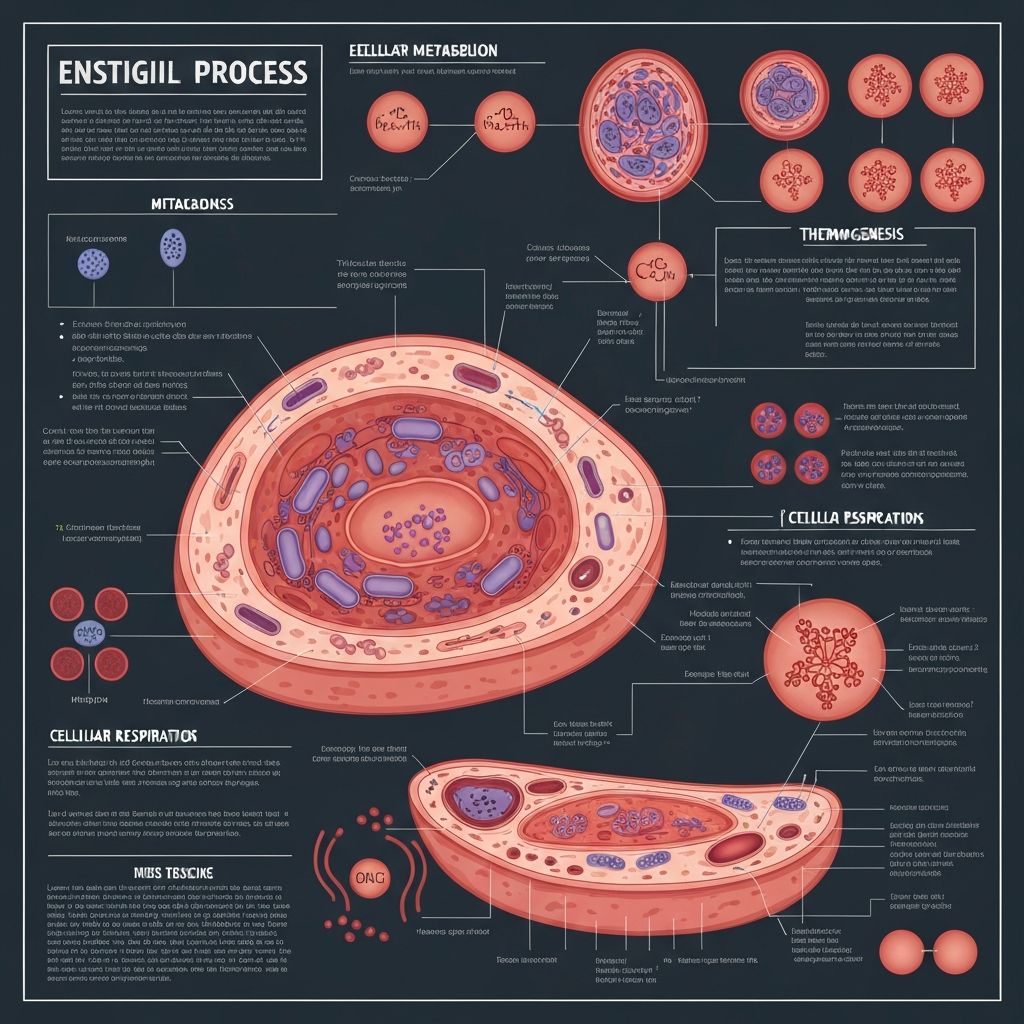
Metabolic rate refers to the amount of energy your body uses to maintain basic physiological functions. It encompasses all the biochemical processes happening continuously—from cellular respiration to maintaining body temperature, muscle contraction, and neural function.
Basal Metabolic Rate (BMR)
Basal metabolic rate is the minimum amount of energy required to sustain life at rest. It represents the calories your body burns simply to maintain essential functions like breathing, circulation, and cell production. BMR accounts for approximately 60-75% of total daily energy expenditure in sedentary individuals.
Daily Energy Expenditure (TDEE)
Total daily energy expenditure includes basal metabolic rate plus energy expended through physical activity and thermogenesis (heat production). TDEE is the total calories your body burns in a 24-hour period.
- Basal Metabolic Rate (60-75%): Energy for essential functions at rest
- Thermic Effect of Food (10%): Energy required to digest, absorb, and process nutrients
- Activity Energy Expenditure (15-30%): Energy expended through exercise and daily movement
Factors Influencing Metabolic Rate
Age
Metabolic rate generally decreases with age, declining approximately 2-3% per decade after the age of 25. This reduction is partly due to age-related changes in body composition, hormone levels, and cellular efficiency. However, this decline is not inevitable and can be modulated through physical activity and lifestyle choices.
Body Composition
Muscle tissue is metabolically active and requires energy even at rest. Individuals with greater muscle mass typically have higher resting metabolic rates than those with higher fat percentages. Conversely, fat tissue is less metabolically active, using minimal energy for maintenance.
Sex and Hormones
Men typically have higher metabolic rates than women, primarily due to differences in body composition. Women have higher percentages of body fat and lower muscle mass on average. Additionally, hormonal factors—including thyroid hormones, cortisol, and growth hormone—significantly influence metabolic function.
Genetics
Genetic factors play an important role in determining individual metabolic capacity. Some individuals inherit a naturally faster metabolism, while others have genetic predispositions toward lower metabolic rates. This genetic variation partly explains why individuals respond differently to the same dietary and activity interventions.
Thyroid Function
Thyroid hormones regulate metabolic rate. Hypothyroidism (underactive thyroid) slows metabolism, while hyperthyroidism (overactive thyroid) accelerates it. Thyroid function is influenced by iodine intake, selenium status, and various other factors.
Metabolic Adaptation
The body demonstrates remarkable adaptability in its metabolic function. During periods of caloric restriction, the body can reduce metabolic rate—a phenomenon known as metabolic adaptation. Conversely, during periods of adequate or increased energy intake, metabolic rate may increase slightly. This adaptation reflects the body's attempt to maintain energy homeostasis.
Metabolic adaptation is not a state of being permanently "broken" but rather a normal physiological response to changing energy availability. This adaptation exists because survival mechanisms favor energy conservation during scarcity.
Thermic Effect of Food (TEF)
The thermic effect of food, also called diet-induced thermogenesis, refers to the energy required to digest, absorb, and process nutrients. Different macronutrients have different thermic effects: protein has the highest thermic effect (20-30% of calories consumed), carbohydrates have a moderate effect (5-10%), and fats have the lowest (0-3%).
Physical Activity and Metabolism
Regular physical activity influences metabolic rate in multiple ways. Exercise expends energy during the activity itself. Additionally, exercise promotes muscle growth, which increases resting metabolic rate. Exercise also contributes to metabolic health through improved insulin sensitivity and hormonal function.
Summary
Metabolic rate is a complex physiological function influenced by multiple factors including body composition, genetics, age, hormones, and lifestyle. Understanding these factors provides context for recognizing that metabolism is not fixed—it responds to training, activity patterns, and nutritional intake. Rather than being a static "slow" or "fast" metabolism, metabolic function is dynamic and responsive to various stimuli.