Physical Activity & Health
Explore the science of movement and how regular physical activity supports physical, mental, and metabolic health.
Published: March 2024 | Reading time: 5 minutes
The Importance of Movement
Physical activity encompasses all forms of bodily movement requiring energy expenditure—from structured exercise to occupational and recreational movement. Regular physical activity is associated with numerous health benefits and is considered a cornerstone of preventive health.
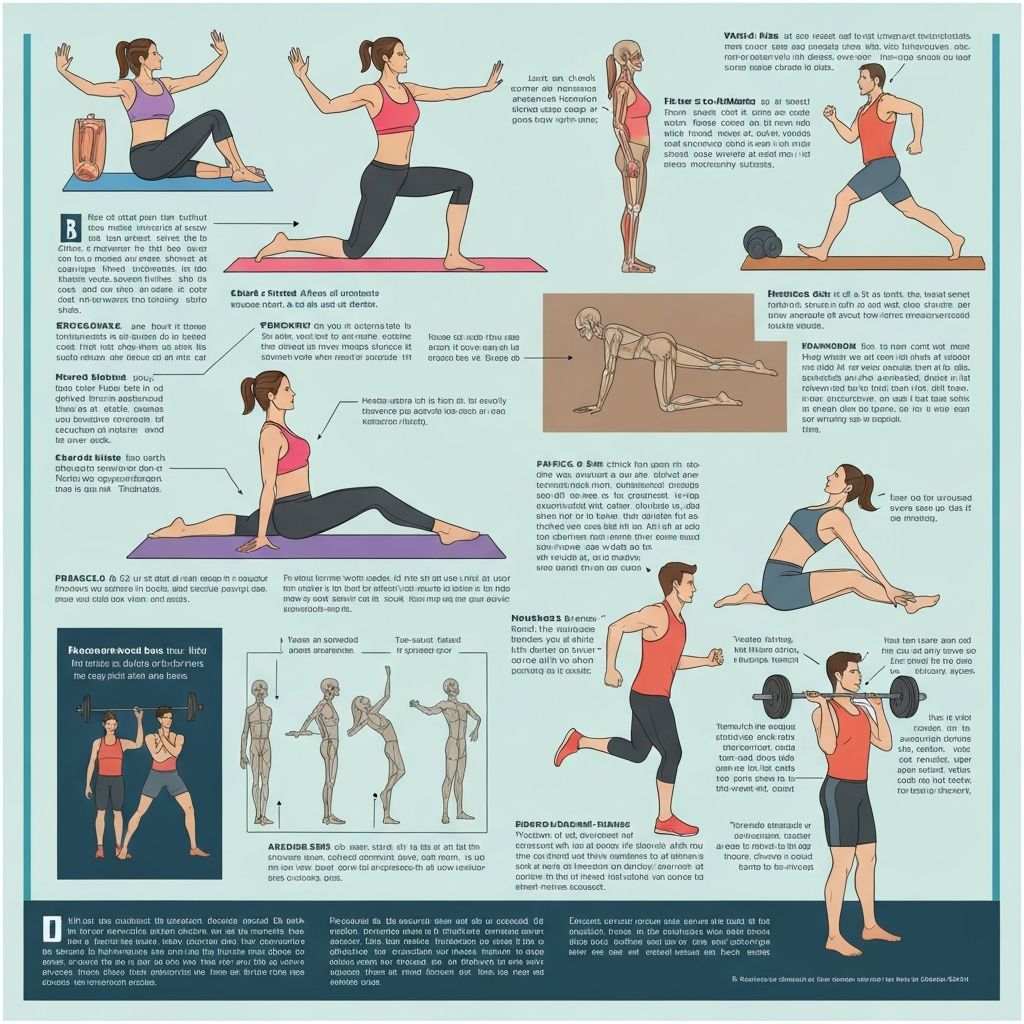
Types of Physical Activity
Aerobic activity: Sustained, rhythmic movement using large muscle groups. Examples include walking, jogging, cycling, and swimming. Aerobic activity improves cardiovascular fitness and endurance.
Resistance training: Movement against resistance to build or maintain muscle. Examples include weightlifting, bodyweight exercises, and resistance band work. Resistance training improves muscle strength and supports metabolic health.
Flexibility and balance: Activities promoting range of motion and balance. Examples include stretching, yoga, and tai chi. These activities support functional movement and injury prevention.
Daily movement: Incidental activity throughout the day, including walking, occupational movement, and recreational activities. This often-overlooked component contributes significantly to total daily energy expenditure.
General health recommendations suggest 150 minutes of moderate-intensity aerobic activity or 75 minutes of vigorous-intensity activity weekly, combined with muscle-strengthening activities on 2+ days per week. However, some activity is better than none, and more activity generally provides greater health benefits.
Physical Health Benefits
Cardiovascular Health
Regular physical activity strengthens the heart, improves blood pressure regulation, enhances cholesterol profiles, and reduces cardiovascular disease risk. Aerobic activity is particularly beneficial for cardiovascular adaptation.
Metabolic Health
Physical activity improves insulin sensitivity, supports healthy blood glucose regulation, and reduces type 2 diabetes risk. Exercise also contributes to maintaining healthy body composition through muscle preservation and development.
Bone Health
Weight-bearing and resistance activities stimulate bone formation and support bone density maintenance. Regular activity is particularly important for bone health during aging.
Functional Capacity
Regular activity preserves and improves strength, balance, and functional capacity, supporting independence in daily activities and reducing fall risk, particularly in older adults.
Mental and Cognitive Benefits
Physical activity provides significant mental health benefits. Regular exercise is associated with improved mood, reduced anxiety and depression symptoms, better stress management, and improved cognitive function. Exercise stimulates the production of endorphins and other neurochemicals supporting mental well-being.
Brain Function
Physical activity supports cognitive function, memory, and learning. Regular exercise is associated with increased brain-derived neurotrophic factor (BDNF), which supports neuroplasticity and protects against cognitive decline.
The mental health benefits of physical activity are comparable to some pharmaceutical interventions for mild-to-moderate depression and anxiety. Regular physical activity should be considered a component of comprehensive mental health support.
Weight Regulation and Body Composition
While physical activity alone may not produce large weight changes, it supports healthy body composition by preserving and building muscle. Muscle tissue is metabolically active and supports metabolic health. Additionally, regular activity is associated with better long-term body weight stability and weight loss maintenance.
The relationship between activity and weight is complex—caloric expenditure from exercise is often smaller than expected, and the body may partially compensate through behavioral and metabolic adaptations. However, the metabolic and health benefits of regular activity extend far beyond weight changes.
Practical Approaches to Physical Activity
Sustainable physical activity practices emphasize finding activities that are enjoyable and sustainable. This might include:
- Finding activities you genuinely enjoy
- Incorporating movement into daily routines
- Building gradual increases in activity level
- Combining different types of activity
- Including social or community-based activity for motivation
- Setting realistic, individually relevant goals
Barriers and Solutions
Common barriers to physical activity include time limitations, lack of access to facilities, injury or health concerns, and motivational challenges. Addressing these barriers might involve home-based activities, community resources, working with healthcare providers on safe progression, or finding social support.
Summary
Physical activity is essential for supporting physical health, mental well-being, and metabolic function. Regular movement provides benefits across numerous health dimensions—from cardiovascular and metabolic health to cognitive function and emotional well-being. Sustainable approaches emphasize finding enjoyable, personally relevant activities that can be maintained over time.