Genetics, Environment, and Body Weight
Explore how genetic predispositions and environmental factors interact to influence body weight regulation and metabolic health.
Published: June 2024 | Reading time: 6 minutes
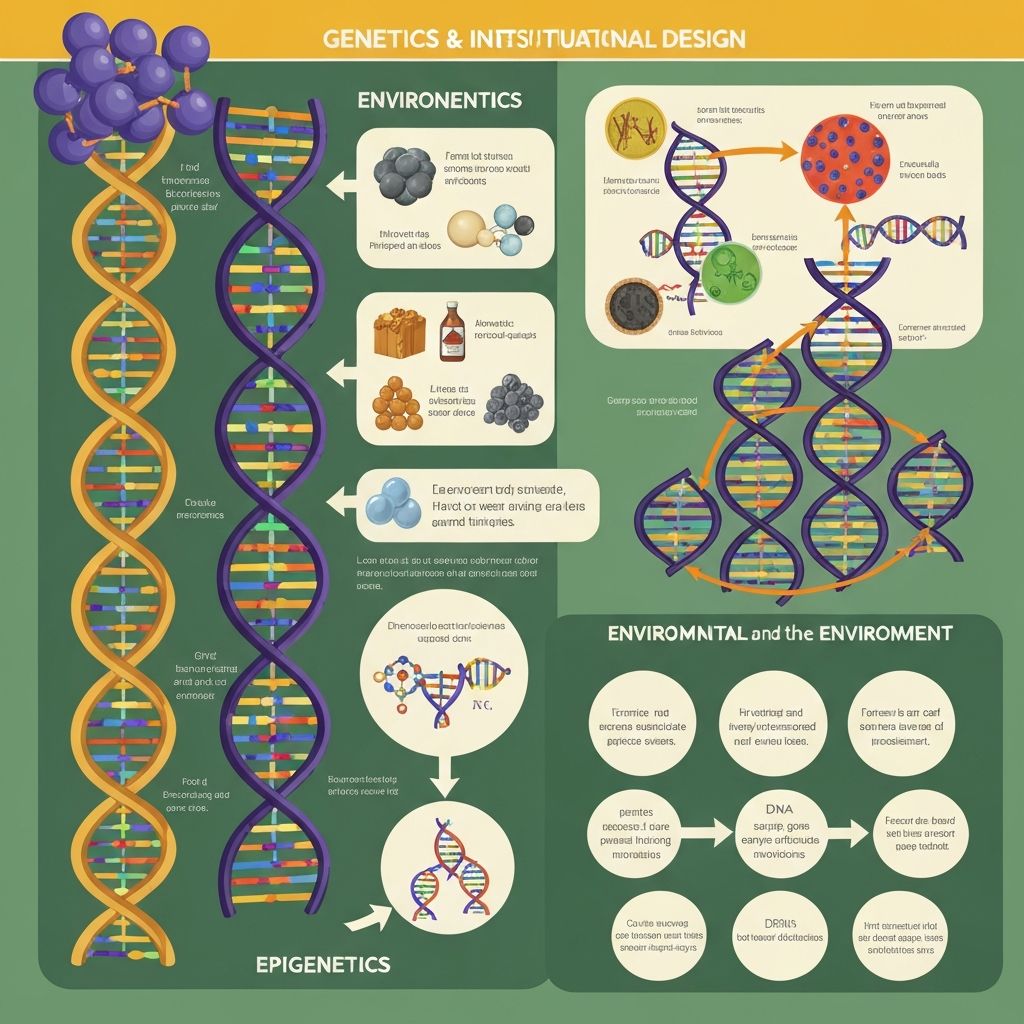
Understanding Nature vs. Nurture
Body weight is not determined by genetics alone, nor is it purely a matter of individual choice. Rather, body weight reflects a complex interplay between genetic predispositions and environmental factors. Understanding this interaction provides important perspective on body weight variation across individuals.
The Gene-Environment Interaction
Genes establish the range of weight and metabolic patterns an individual might display. Environmental factors then determine where within that range an individual settles. An individual with a genetic predisposition toward higher weight may maintain a lower weight in an environment with abundant physical activity and food scarcity, while settling toward the upper end of their range in an environment promoting inactivity and energy abundance.
Twin and family studies suggest that 40-70% of body weight variation is attributable to genetic factors, with the remainder influenced by environmental and behavioral factors. This means genetics matters—but environment matters too. Neither alone is deterministic.
Genetic Factors in Body Weight
Single Gene Mutations
Rare genetic mutations can cause severe obesity—mutations in the leptin gene, leptin receptor gene, melanocortin receptor genes, and others can disrupt appetite regulation significantly. However, these monogenic forms of obesity account for less than 5% of obesity cases.
Polygenic Influences
Most genetic influences on body weight involve multiple genes, each contributing small effects. Genome-wide association studies have identified hundreds of genetic variants associated with body weight. These genetic factors influence metabolism, appetite regulation, satiety signaling, and food preference—many of which vary substantially across individuals.
Metabolic Heterogeneity
Individuals vary in their resting metabolic rate, thermic effect of food, and exercise-induced energy expenditure. These variations are influenced by genetic factors. Some individuals naturally burn calories more efficiently; others burn fewer calories at rest. This variation has obvious implications for weight regulation.
Environmental Factors
The Food Environment
The modern food environment is dramatically different from ancestral environments. Ultra-processed foods engineered for palatability are ubiquitous, inexpensive, and heavily marketed. Food portions have increased substantially. The energy density of available food has increased. These environmental shifts have coincided with increases in average body weight across populations.
Physical Activity Environment
Modern environments promote physical inactivity. Occupational activity has declined with mechanization. Transportation is often motorized rather than active. Leisure time is frequently sedentary. These environmental shifts reduce daily energy expenditure, promoting weight gain even without increased caloric intake.
Socioeconomic Factors
Body weight is inversely associated with income and education in developed nations—individuals with lower socioeconomic status have higher average body weights. This reflects environmental differences: food access, affordability of healthy food options, neighborhood safety for activity, stress, and healthcare access all differ systematically by socioeconomic status.
Scientists use the term "obesogenic environment" to describe built, social, and economic environments that promote weight gain. Recognizing that individual weight gain occurs within this broader environmental context shifts focus from purely individual responsibility to environmental factors deserving attention.
Cultural and Social Factors
Food traditions, cultural norms around eating, peer influences, and family patterns all influence weight-related behaviors. The social acceptability of various foods, portion sizes, and eating patterns varies culturally, reflecting social learning rather than genetic variation.
Epigenetics: Gene Expression and Environment
Epigenetics refers to changes in gene expression without alteration of the DNA sequence itself. Environmental factors—including diet, stress, and physical activity—can alter gene expression related to metabolism and weight regulation. These changes can sometimes be transmitted to offspring, creating interesting intergenerational patterns. This field highlights how environmental factors literally influence which genes are "turned on" or "off."
Individual Variation and Response
People respond differently to the same dietary and activity interventions—some individuals lose weight readily with dietary changes, while others show minimal response. Some individuals respond well to certain types of exercise, while others benefit more from different modalities. This variation reflects unique combinations of genetic and environmental factors.
Precision Approaches
Recognizing individual variation suggests that individualized approaches to weight management may be more effective than one-size-fits-all recommendations. What works for one person may not work for another, partly due to genetic variation and partly due to different environmental contexts and personal preferences.
Implications for Understanding Body Weight
Recognizing that body weight results from gene-environment interactions has several important implications:
- Individual accountability and systemic factors: While individual choices matter, environmental factors significantly influence health outcomes
- Compassion for individual variation: Different people have different genetic starting points and environmental contexts
- Importance of environmental solutions: Beyond individual efforts, addressing food and activity environments benefits entire populations
- Personalized approach to health: Recognizing individual variation suggests tailored strategies rather than universal prescriptions
Summary
Body weight results from complex interactions between genetic predispositions (which establish a range of possible weights for an individual) and environmental factors (which determine where within that range an individual settles). Both genetic and environmental factors matter. Recognizing this interaction provides a more nuanced, compassionate understanding of body weight variation while highlighting opportunities for environmental changes that benefit population health. Individual variation is real, significant, and deserves recognition and respect.